Green Initiatives: How E-Waste Recycling Services Are Protecting Our Planet
Electronic waste presents serious dangers to the environment, as abandoned electronic devices commonly carry harmful materials. Such dangerous compounds can pollute soil and water supplies, causing extensive damage to surrounding ecosystems. E-waste recycling services present a viable solution. They not only recover valuable resources but also mitigate pollution. Understanding how these services operate and their impact on communities is essential. The journey towards effective e-waste management raises critical questions about individual responsibility and collective action. What actions should be considered going forward?
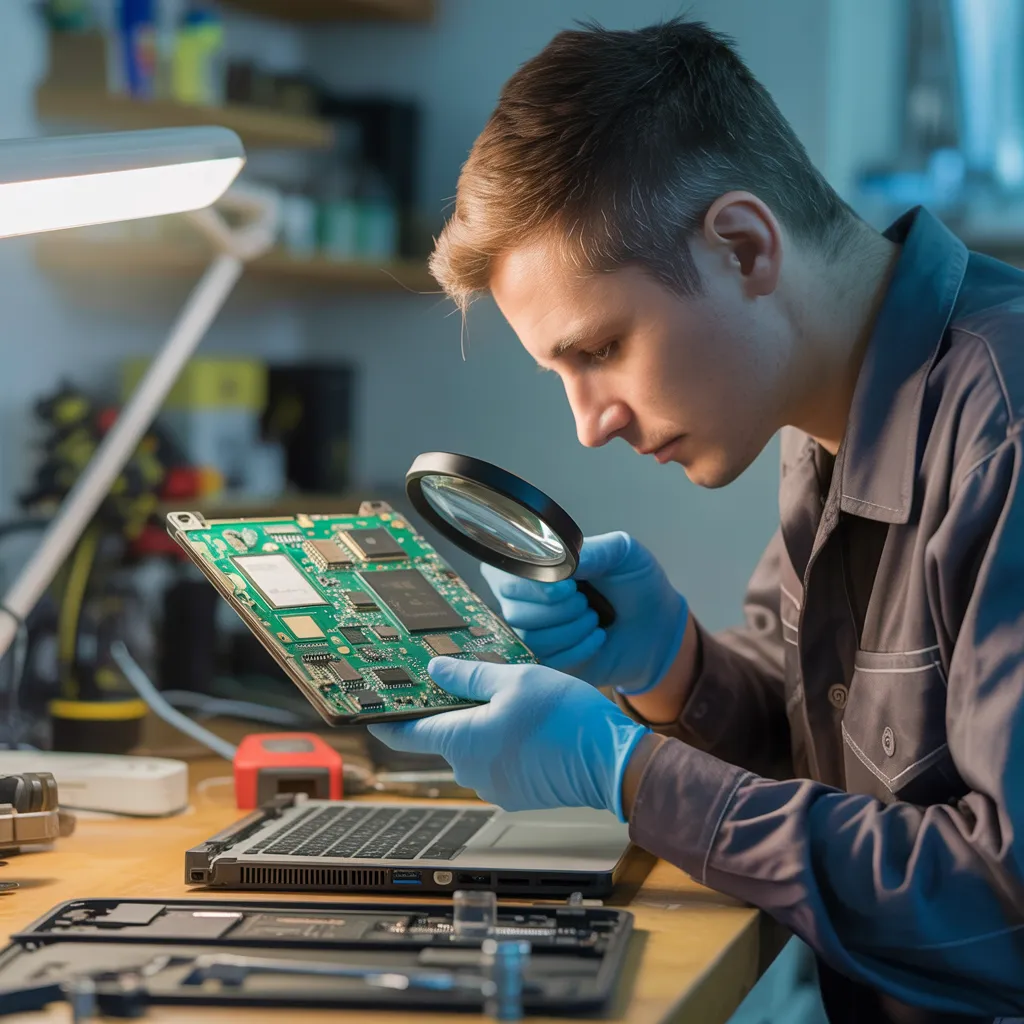
How E-Waste Is Hurting the Planet
Although technology enhances contemporary living, e-waste creates significant environmental threats. Discarded electronic devices, commonly laden with hazardous materials such as mercury, lead, and cadmium, can leach toxins into groundwater and soil, presenting dangers to both wildlife and human well-being. The swift progression of technology results in higher rates of electronics disposal among consumers, worsening the buildup of discarded electronic materials.
Landfills, already burdened with waste, struggle to accommodate the growing volumes of discarded gadgets. Incineration, another disposal method, releases harmful pollutants into the atmosphere, contributing to air quality degradation. Moreover, poor recycling procedures can cause e-waste to be sent to developing regions, where employees may disassemble electronics without sufficient safety precautions, leaving them vulnerable to harmful substances. This cycle of neglect and improper handling underscores the urgent need for sustainable recycling solutions that can mitigate the adverse effects of e-waste on the planet.
What Is E-Waste and Why Does It Matter?
Electronic waste, commonly known as e-waste, comprises discarded electronic devices including televisions, computers, and smartphones that are no longer functional or needed. This increasingly prevalent form of waste is important due to its rapid accumulation, fueled by innovation in technology and shifting consumer habits. As growing numbers of electronics become outdated, the environmental impact intensifies, with harmful substances like lead, mercury, and cadmium posing risks to ecosystems and human health.
The importance of addressing e-waste lies not only in mitigating these hazards but also in recognizing the valuable materials it contains. Valuable metals and rare earth materials can be extracted and repurposed, lessening the demand for mining and preserving natural resources. Through a deeper awareness of e-waste and its consequences, both individuals and organizations can make well-informed choices regarding disposal and recycling, thereby supporting a more sustainable future. Proper management of e-waste is essential for fostering a circular economy and promoting environmental stewardship.
How the E-Waste Recycling Process Works
The recycling of e-waste encompasses a systematic process aimed at reclaiming useful resources while minimizing environmental impact. Initially, e-waste is collected and transported to specialized recycling facilities. After reaching the facility, the devices undergo thorough sorting to separate hazardous components from recyclable materials.
Following this, workers take apart the electronics, removing glass, metals, and plastics. This stage is crucial, as it makes possible the recovery of rare metals like copper, gold, and silver, which may be utilized in new electronic products.
Following this, the divided materials are processed with sophisticated techniques, such as shredding and chemical treatments, to prepare them for recycling.
Ultimately, the leftover hazardous waste is handled with responsibility, adhering to eco-friendly standards. This multi-step approach not only conserves resources but also reduces the dangers connected to improper e-waste disposal, ensuring a more sustainable future for electronic consumption.
Why E-Waste Recycling Matters for You and Your Community
Although it often goes unnoticed, the advantages of e-waste recycling extend beyond personal convenience to positively impact entire communities. By responsibly disposing of electronic waste, individuals play a role in creating a healthier environment, reducing harmful substances that can leach into soil and water. This forward-thinking practice helps preserve local ecosystems and supports public health.
In addition, e-waste recycling fosters job creation within communities. Local recycling facilities often require personnel for numerous tasks, spanning collection through processing, thereby providing employment opportunities to area workers. This not only stimulates the local economy but also promotes community participation in sustainable initiatives.
Additionally, understanding of e-waste recycling has the potential to generate awareness campaigns, enabling residents to make environmentally conscious decisions. By taking part in e-waste recycling programs, individuals promote a culture of sustainability, motivating others to join the movement. All things considered, the shared impact of these actions can lead to a more sustainable and conscientious community.
Tips for Choosing an E-Waste Recycling Service
Choosing the right electronic waste recycling provider is vital for ensuring that e-waste is processed with responsibility and sustainability. To begin, consumers should verify the provider's certifications, such as R2 or e-Stewards, which signify conformance to industry standards for secure waste disposal procedures. It is equally important to copyrightine the provider's credibility by reviewing feedback and obtaining advice from dependable sources.
Furthermore, transparency in the recycling process is vital. A trustworthy service should supply straightforward details about how e-waste is processed and what becomes of the materials. Additionally, assessing the variety of services available can be advantageous; certain providers may offer collection services or present rewards for recycling.
Ultimately, learning about area-specific requirements for e-waste disposal can further guide the selection process. Through focusing on these key aspects, individuals can contribute to responsible e-waste disposal as well as promoting environmentally responsible practices.
Ways You Can Participate in E-Waste Recycling?
Getting involved with e-waste recycling may begin at the local level, where local recycling facilities regularly supply essential services for proper disposal. Additionally, See more participating in community awareness campaigns can amplify efforts to educate others about the importance of ethical e-waste practices. These initiatives not only encourage sustainable practices but also cultivate a collective sense of accountability for the environment.
Local Recycling Centers
Many regional recycling hubs play an essential role in e-waste recycling, offering communities convenient opportunities to dispose of electronic waste responsibly. These centers accept a wide array of electronic devices, including used computers, handheld devices, and televisions, making certain that hazardous materials are managed safely. Most centers are equipped with knowledgeable personnel who are able to assist individuals with correct disposal techniques, emphasizing the importance of recycling over landfilling. In addition, numerous facilities provide organized drop-off opportunities or appointed collection periods, enabling residents to engage without difficulty. By utilizing these local services, community members advance a circular economy, minimizing ecological impact and fostering sustainable behaviors. Connecting with these stations enables communities to combat e-waste pollution successfully.
Community Education Campaigns
Community groups, educational institutions, and companies can collaborate to host events that promote e-waste collection drives. Dedicated participants can take a leading part in spreading awareness, distributing educational materials, and engaging with the community. Through these collective efforts, residents become more informed and motivated to recycle their electronic waste, thus playing a meaningful role in creating a more environmentally responsible future.
Answers to Your Most Common Questions
What Types of Electronics Can Be Recycled?
Numerous electronics can be recycled, including laptops, televisions, smartphones, printers, computers, and gaming consoles. Additionally, accessories such as keyboards, mice, and batteries are equally appropriate for recycling, supporting efforts to conserve the environment.
Do Any Costs Come With E-Waste Recycling?
That's correct, electronic waste recycling can include charges, depending on the provider. Some facilities charge fees for pickup or handling, while others offer free services, frequently supported by the proceeds from salvaged materials.
How Can Businesses Benefit From E-Waste Recycling?
Organizations can gain from e-waste recycling by minimizing disposal costs, strengthening their ecological standing, adhering to regulatory requirements, recovering valuable materials, and potentially generating revenue through resale, thus supporting a greener and more sustainable operational framework.
What Becomes of Data on Recycled Devices?
Data on refurbished devices is commonly irretrievably wiped or obliterated during processing. This guarantees private details stays protected, blocking unwanted intrusion while enabling components to be recycled safely and responsibly within new applications.
Can I Recycle Broken Electronics?
Indeed, damaged electronics are able to be recycled. Many facilities receive defective devices, ensuring safe disposal and retrieval of useful materials. This helps lower environmental impact while promoting responsible recycling practices to address electronic waste efficiently.